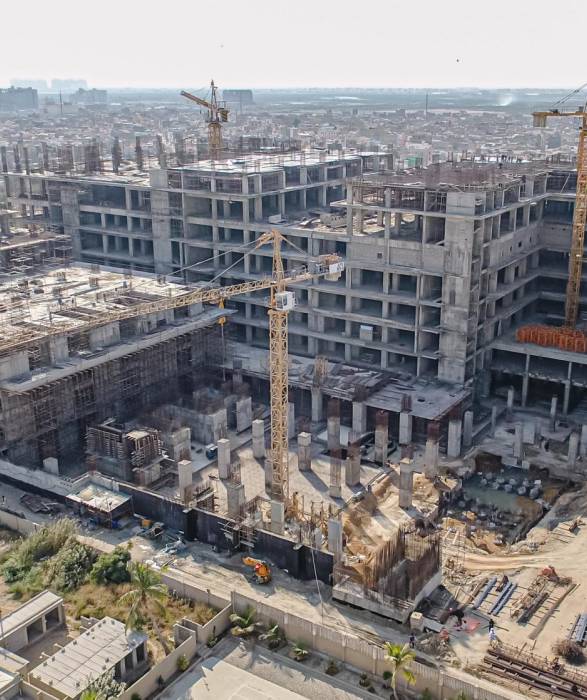
Time is money within the construction industry; therefore, if you delay one task, it can cause all other tasks to be delayed, which thereby impacts project deadlines and budget allocated to projects. Clients also lose trust in your ability to successfully complete their projects. This is where BIM is changing the way we operate to achieve the results we need. Building Information Modelling (BIM) is not just about creating a virtual 3D model; it provides valuable scheduling information when combined with the time data associated with the project (4D BIM). By leveraging this combination of information, teams are able to plan better, identify risks early in a project’s lifecycle and avoid costly delays before they occur.
This article will review how BIM-based schedule optimisation can be used and why it will become increasingly important for modern construction projects.
What Is BIM-Based Schedule Optimisation?
By developing an integrated 3D representation of a project through BIM-based scheduling techniques, it becomes easier to plan, coordinate, and track multiple construction activities across various disciplines. Teams can build a 4D model of their construction schedules and link those construction tasks to specific components in the 3D model using construction planning software such as Autodesk Revit and Navisworks. This 4D model provides a clear visual of how the construction project will be constructed over time (i.e., the sequence of construction activities) on a day-by-day basis, similar to “watching a building come to life” prior to beginning actual construction.
The enhanced visibility of the construction project provided by using the 4D model through BIM-based schedules enables the construction team to:
- Identify where conflicts exist due to sequencing;
- Optimise the interdependencies of tasks in a manner that allows for greater efficiencies within the construction work process;
- Improve how each trade coordinates with other trades; and
- Reduce both idle time and rework.
1. Visualising Construction Before It Begins
Traditional schedules are often created in tools like Microsoft Project or Primavera. While these tools are useful, they rely heavily on text-based timelines and Gantt charts.
The problem? They don’t show how the building will physically evolve.
With BIM-based scheduling, project teams can:
- See which areas will be constructed first
- Understand space constraints
- Detect overlapping trade activitiesBIM-based schedule optimisation ensures the following:
- Clear activity sequencing
- Defined work zones
- Logical task handoffs
- Better communication between contractor
2. Improving Trade Coordination
Construction delays often happen because different teams are not aligned. Mechanical, electrical, plumbing (MEP), and structural teams may work in the same area without proper sequencing.
- Fixing a clash in the digital model takes minutes. Fixing it on-site can take days — or weeks.
3. Detecting and Resolving Clashes Early
Clashes are one of the biggest causes of construction delays. A duct passing through a beam. A pipe interfering with a column. These small issues can stop work completely.
Using BIM tools like Navisworks Manage, teams can perform clash detection before construction starts.
When schedule optimisation is integrated:
- High-risk zones are identified early.
- Activities are resequenced
- Design modifications happen before site execution.
- Rework is minimised
- Identify potential congestion on-site
For example, if electrical installation overlaps with structural works in the same zone, the 4D model will clearly show the conflict. Instead of discovering the issue on-site, teams fix it during planning.
This proactive approach prevents delays before they even occur.
4. Optimising Resource Allocation
Another common reason for delays is poor resource planning. Labour shortages, equipment unavailability, and material delivery issues can slow down progress.
With BIM-based scheduling:
- Labour requirements are forecasted accurately
- Equipment usage is planned efficiently.
- Material procurement aligns with installation timelines.
For example, if concrete pouring is scheduled but scaffolding is delayed, the 4D simulation will reveal the mismatch.
This helps project managers adjust plans early, avoiding unnecessary downtime.
5. Enhancing Risk Management
Construction projects always face uncertainties — weather conditions, supply chain disruptions, design changes, and client revisions.
BIM-based schedule optimisation allows teams to run “what-if” scenarios.
What happens if steel delivery is delayed by two weeks?
What if the façade installation starts earlier?
What if additional manpower is added?
By simulating different scenarios, teams can:
- Identify critical path risks
- Develop contingency plans
- Reduce schedule slippage
- Make data-driven decisions
Instead of reacting to problems, teams anticipate them.
6. Better Monitoring and Progress Tracking
Once construction begins, BIM continues to support schedule optimisation.
Project managers can update progress directly within the model and compare planned vs. actual performance.
This provides:
- Real-time progress visibility
- Accurate reporting for stakeholders
- Early warning of potential delays
- Improved accountability
Visual dashboards make it easier for clients and management teams to understand project status without interpreting complex spreadsheets.
7. Reducing Rework and Cost Overruns
Delays and cost overruns often go hand in hand. Rework, poor coordination, and inefficient sequencing increase both time and expenses.
BIM-based schedule optimisation reduces the following:
- Construction errors
- Idle labour time
- Equipment conflicts
- Redundant tasks
By aligning design, schedule, and execution, projects move forward smoothly.
The result? Faster completion and better profitability.
Why BIM Schedule Optimisation Is Essential Today
Today’s construction projects are becoming increasingly more complex than ever before. With tight timelines, high client expectations, and multi-disciplinary teams and trades, traditional scheduling techniques are no longer enough.
Utilising a BIM-based schedule optimisation program provides the following advantages:
- Transparency
- Reliability
- Teamwork
- Predictability
When developers, contractors, or consultants use BIM in their scheduling strategy, they gain a competitive advantage that takes a proactive approach to project planning rather than a reactive approach.
Final Thoughts
Delays in project delivery will affect the profitability and reputation of a company. Using appropriate digital technology and knowledgeable staff will allow a firm to reduce project delays by substantial amounts. Teams can get an accurate visual representation of their job using BIM (Building Information Modelling)-based scheduling tools. With BIM-based scheduling tools, teams can also coordinate better with others on the project, minimise risk, and have more confidence in delivering successful projects. Having an expert implement BIM on your project is necessary if you want to minimise delays, work more efficiently, and complete projects on time.
Partner with Prodigy Engineering Consultants
Prodigy Engineering Consultants provides professional expertise in the provision of innovative building information modelling services. We provide cutting-edge practices to offer a full set of 4D scheduling, clash detection, and dedicated support for all aspects of digital construction.
Contact us to optimise your project schedule, remove continuous costly conflicts, and provide you with on-time results!
Get in touch with Prodigy Engineering Consultants today to revolutionise your planning, building, and delivering of future projects!